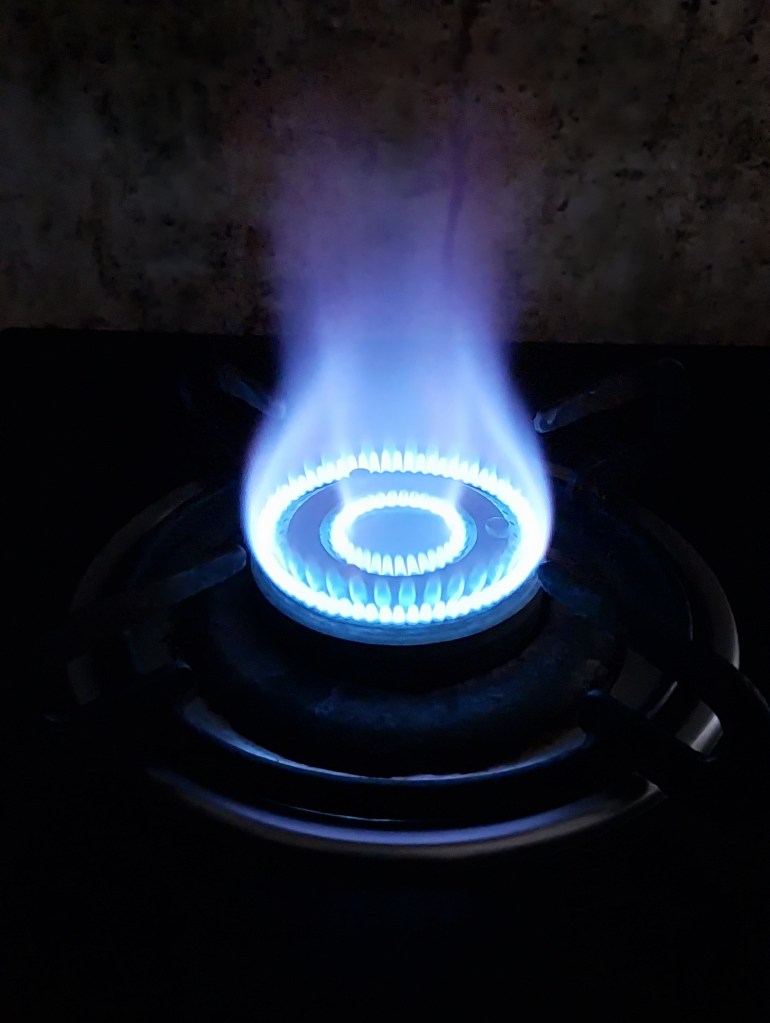
In 2015, 17 Sustainable Development Goals (SDG) were adopted by the United Nations Member States. These goals are to be achieved by 2030. SDG No. 7 ensures clean, affordable, reliable and modern energy to all. This goal is subdivided into five targets. The progress of the goal is measured through six indicators. One indicator is the percentage of the population having access to clean fuel and technology for cooking.
Clean cooking fuels are electricity, Liquid Petroleum Gas (LPG), natural gas, biogas and ethanol. In 2015, 85% of the population in Sub-Saharan Africa relied on firewood, dung cakes, charcoal, coal, kerosene or agricultural residues. In South Asia, 56% of the population in the same year lived without access to clean cooking fuels. The reliance on firewood, charcoal, coal, agricultural residues or dungcakes for cooking has adverse effects. These are indoor air pollution, respiratory diseases due to smoke and long hours spent in firewood collection. Household air pollution was linked to an estimated 2.9 million yearly deaths in 2021.
In 2022, 78% population in Sub-Saharan Africa still lacked access to clean cooking fuels. In South Asia, 31% of the population in 2022 lived without clean cooking fuel. There are many reasons for the lack of access. Some reasons include the inability to afford clean cooking fuel, supply gaps, no or poor infrastructure related to the clean fuel, and behavioural issues related to cooking practices. Additionally, conflict or violence can impede supply.
Recently, the SDG 7 Tracking Report 2025 has been released. In Sub-Saharan Africa, the population growth outpaced the clean cooking initiatives. This means the absolute number of people relying on polluting fuels for cooking continues to grow. In 2023, 955 million people in Sub-Saharan Africa lacked clean cooking fuels. Tracking report lists twenty countries where the number of people without access is high. These countries are located in Sub-Saharan Africa and Asia. There has been progress. In 2014, 2.8 billion people lacked access to clean cooking fuels. In 2023, this number reduced to 2.1 billion. The SDG 7
Numerous studies for long discussed the challenges, issues and solutions about the lack of clean fuels for cooking. The multi-faceted complexity had slowed the pace of access to clean cooking fuels. In a world discussing economic growth and equal justice, access to clean fuel for cooking is a basic requirement. Nonetheless, the first basic priorities are food and safety.
(Views are personal.)
 Sustainability Insights
Leave a comment