About three months ago, I moved to Rourkela, a small city located in the northern part of Odisha, India. I started visiting the local haat weekly to buy vegetables and fruits. This haat is a local marketplace where the farmers from the nearby areas bring their vegetable harvests. Most of the sellers are women. Sometimes one can find flowers collected from forests in this Haat. This haat also has a few fruit vendors, who, upon interaction, I believe, source their fruits from a wholesale market. Mostly, the farmers directly sell their produce in this haat.
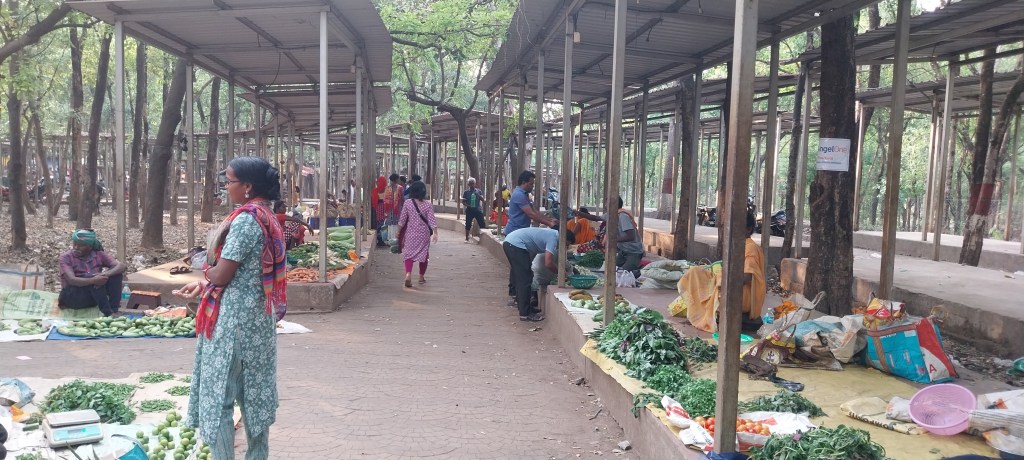
For the past two weeks, I observed that the farmers were selling their tomatoes at throwaway prices. Last week, the lady sold 1.5 kilograms of tomatoes at the price of INR 10 (which is 0.11 USD). Yesterday, April 8th, the lady offered the price of INR 10 for 2.5 kilograms. I asked why she was selling the tomatoes at such a low price. Her response was, “Even after offering such a low price, people are not buying. We harvested too many tomatoes.”
The conversation took me 25 years back, to the year 2000, when, after completing my undergraduate degree in Agriculture, I was going through the tenure of my Rural Work Experience Programme. I was staying in a village in Assam, a state located in northeast India. The objective of the programme was to understand agriculture and its related dynamics through field experiences. During those days, the farmers in the village sold their produce of Okra and Tomatoes at throwaway prices. The reason was too much harvest and the limited number of buyers.
The vegetables, especially tomatoes, are perishable. The cold storage facilities are not always available, and if available, may not be cost-effective. The only option remaining for the farmers in case of an excess or good harvest is to sell them at throwaway prices.
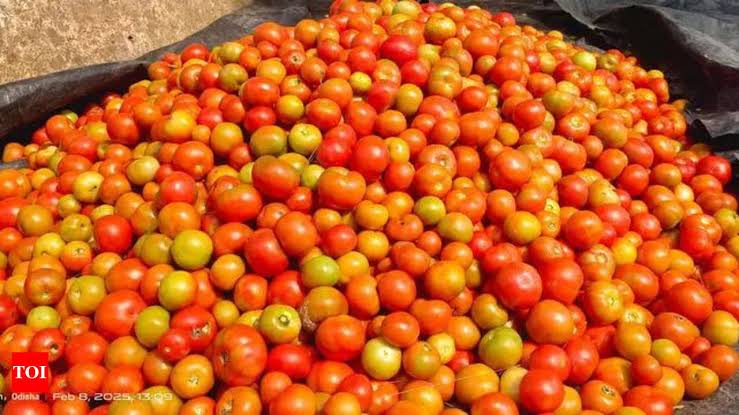
Agriculture has enormous risks. There is a probability of crop damage due to pests and plant diseases. The unfavourable and extreme weather conditions, such as untimely rainfalls, extreme temperatures, drought, storms, and cyclones damages the standing crops. Land or soil degradation, water stress and poor quality water also affect crops. And, if all goes well, the excess harvest of the produce, especially the perishable produce, is sold at throwaway prices, causing economic and moral loss to the farmers.
The farmers I referred to in this article are marginal and small farmers who sell their produce in the local market or haat. They are barely linked to any exporter or wholesaler. Thus, the impact of geopolitics or war may be minuscule. These farmers mostly thrive on favourable weather conditions and the dynamics of the local market.
Today, the increasing number of extreme weather events and changing temperature & rainfall patterns are big threats to agriculture, along with pests and diseases. Food security is the primary concern worldwide. Not being able to find a market for good harvests, and subsequently making it economically unviable for farmers is a matter of great concern.
(Views are personal.)
 Sustainability Insights
Leave a comment